Premium Rebar Coupler for Crosssea Bridge Projects - Marine Grade Reinforcement Connection Solutions

All Categories

Get a Free Quote

Our representative will contact you soon.
Email
Name
Company Name
Message
0/1000

rebar coupler for crosssea bridge projects

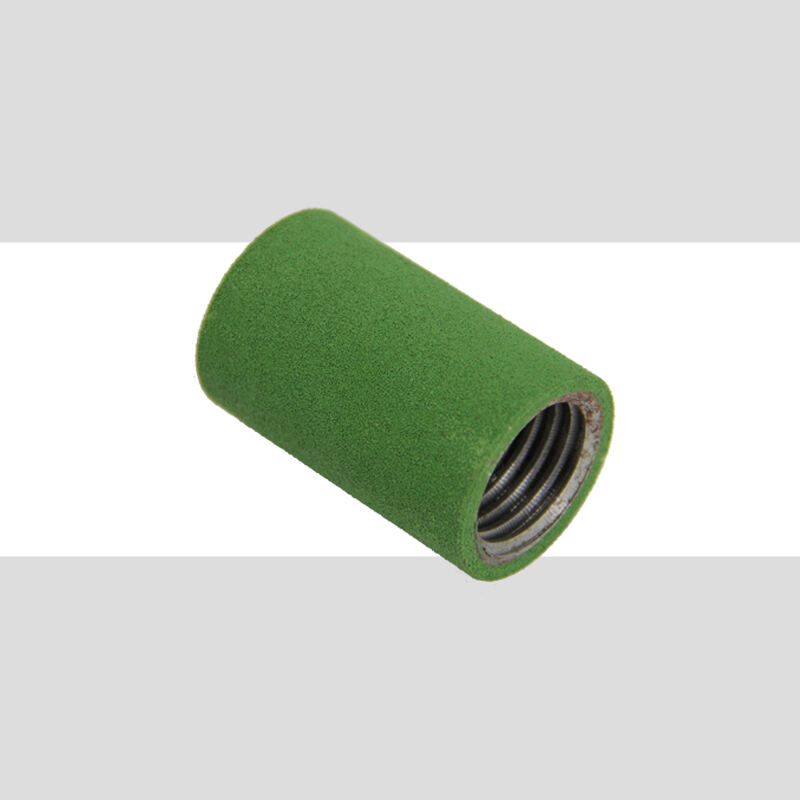
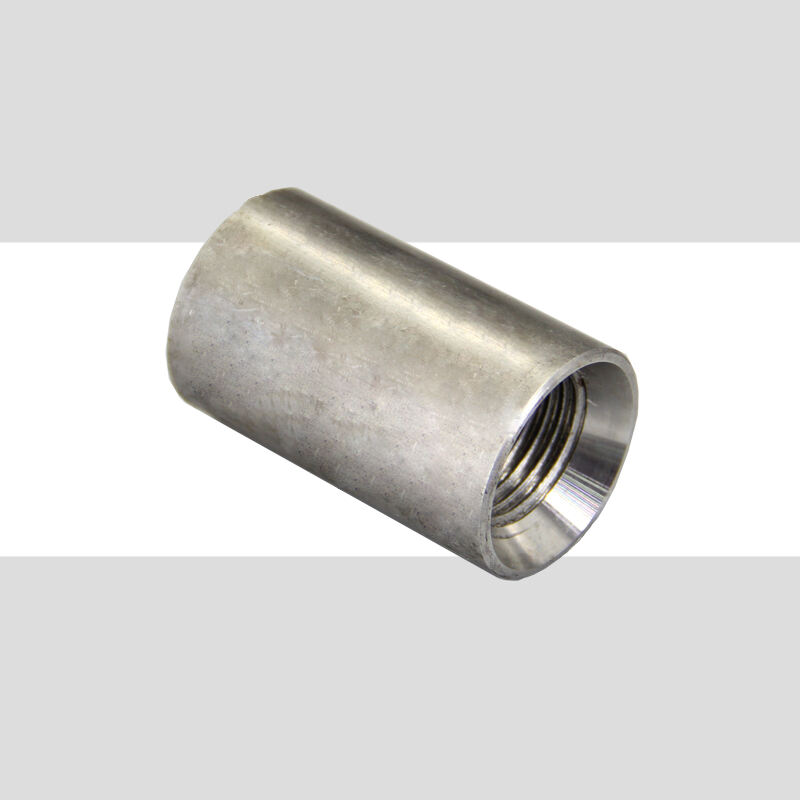
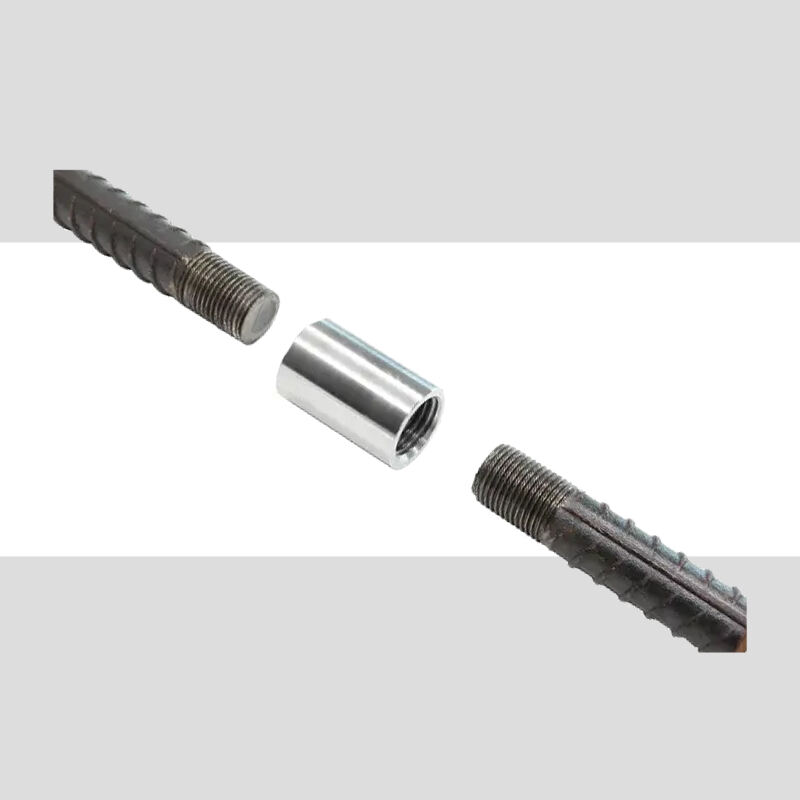
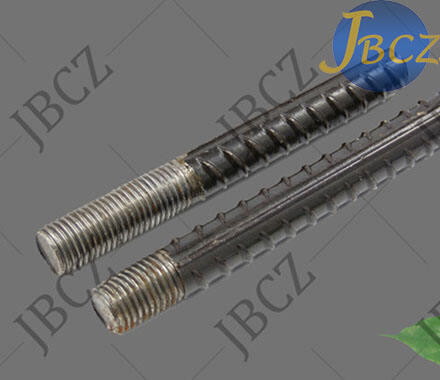
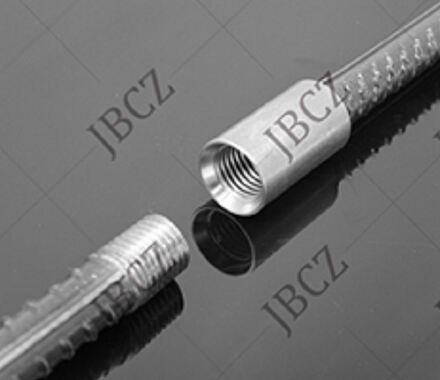
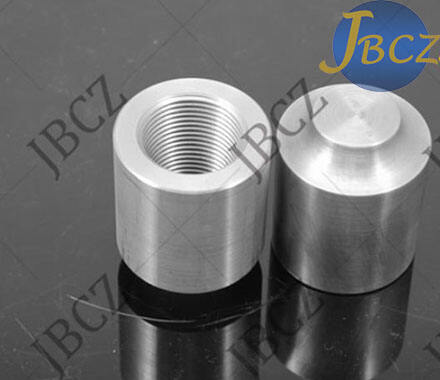
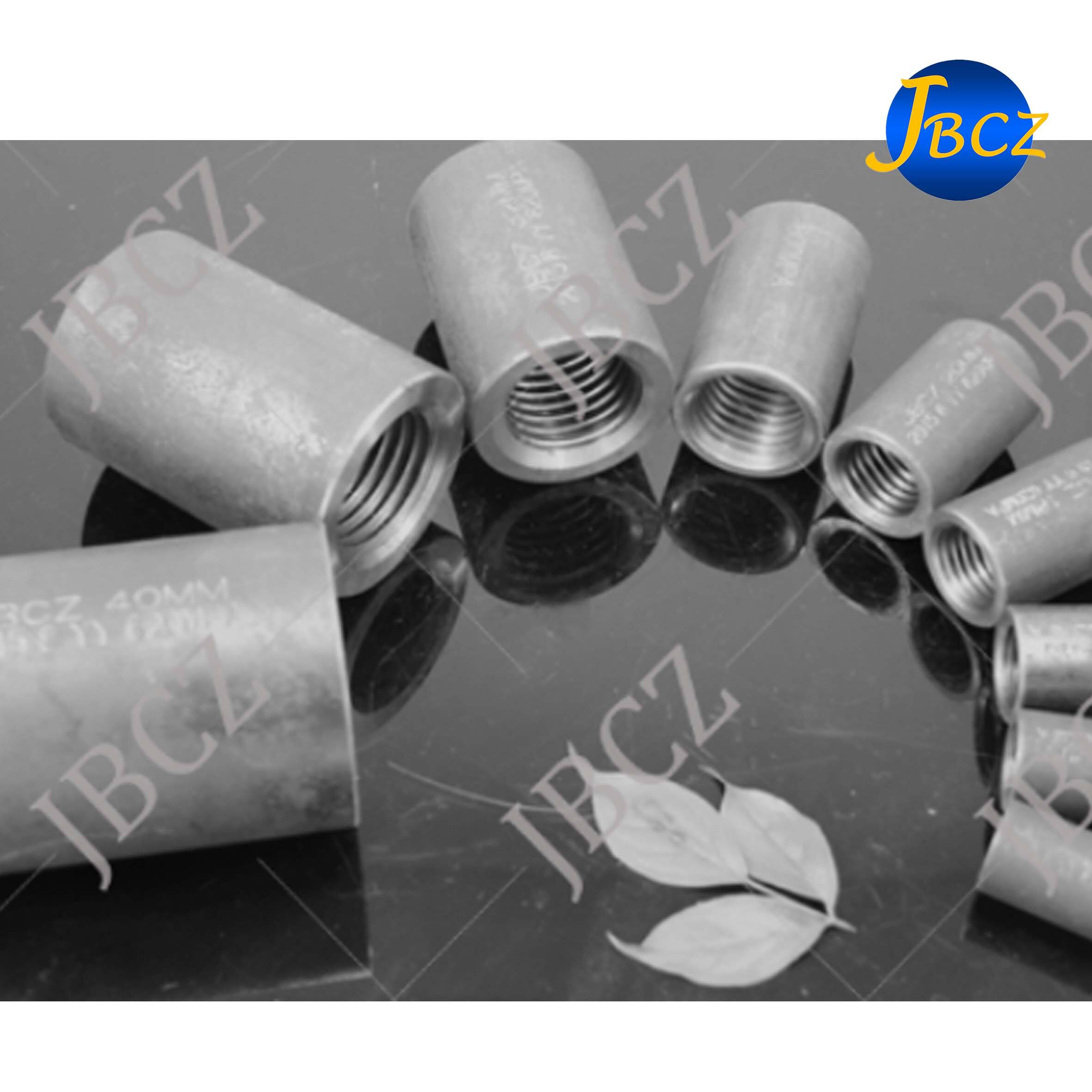
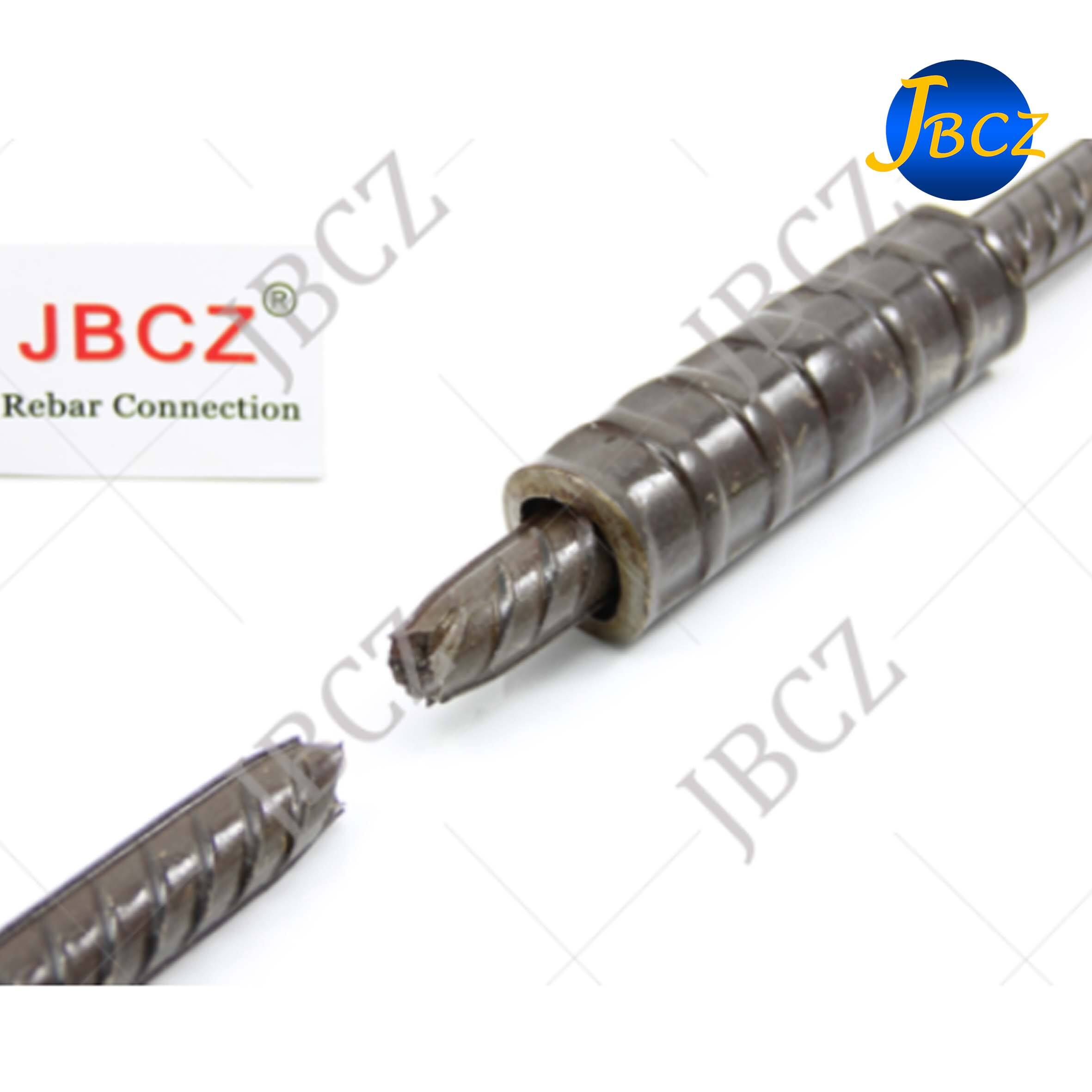
The rebar coupler for crosssea bridge projects represents a critical mechanical connection solution designed specifically for demanding marine infrastructure applications. This advanced coupling system serves as a reliable alternative to traditional rebar lap splicing methods, enabling efficient connection of reinforcing steel bars in harsh coastal and underwater environments. The primary function of these specialized couplers involves creating continuous load transfer paths between individual reinforcement bars, ensuring structural integrity throughout the bridge's lifespan. By mechanically joining rebar sections, these devices eliminate the need for extended overlapping lengths, which proves particularly valuable in crosssea bridge construction where space optimization and material efficiency are paramount concerns. The technological features of rebar coupler for crosssea bridge projects include superior corrosion resistance through specialized coating systems, high tensile strength ratings that match or exceed parent bar capacity, and precision-engineered thread patterns ensuring optimal load distribution. These couplers accommodate various rebar diameters and grades, providing flexibility across different construction phases and structural requirements. The installation process utilizes straightforward threading mechanisms, allowing rapid assembly even in challenging offshore conditions where weather windows may be limited. Application scenarios for rebar coupler for crosssea bridge projects span pier foundations, bridge decks, pylons, and submerged structural components where reinforcement continuity is essential. The marine environment presents unique challenges including saltwater exposure, dynamic wave loading, and temperature fluctuations, making these specialized couplers indispensable for long-term durability. Engineers specify these coupling solutions when designing crosssea bridges because they deliver consistent mechanical performance, facilitate construction scheduling, and support quality control protocols. The technology addresses specific needs of marine construction including rapid installation in confined spaces, reduced congestion at rebar intersections, and enhanced structural redundancy that improves overall bridge resilience against environmental forces and seismic activity.

New Product Releases

The rebar coupler for crosssea bridge projects delivers substantial practical benefits that directly impact construction efficiency and long-term performance. First, these couplers dramatically reduce construction time by eliminating the need for extensive rebar overlap zones that consume valuable workspace and complicate installation procedures. Workers can quickly thread bars together using standard tools, completing connections in minutes rather than hours required for traditional tying methods. This speed advantage becomes crucial during marine construction when weather conditions may force work stoppages, making every productive hour count toward project completion. Second, material savings represent another compelling advantage as the rebar coupler for crosssea bridge projects eliminates wasteful overlap lengths that typically require forty to sixty bar diameters of additional steel. By using mechanical connections, projects conserve thousands of tons of reinforcing steel across large bridge structures, translating to significant cost reductions and reduced environmental impact from steel production. Third, these couplers enhance structural reliability by providing full tensile strength transfer that meets or exceeds the capacity of the reinforcing bars themselves. Testing protocols verify that properly installed couplers maintain load-carrying performance under cyclic loading, fatigue conditions, and extreme environmental exposure characteristic of marine applications. Fourth, the rebar coupler for crosssea bridge projects simplifies reinforcement layouts by reducing congestion at connection points, allowing concrete to flow more freely during placement and ensuring complete encasement of steel elements. This improved concrete consolidation eliminates voids that could compromise durability and corrosion protection in aggressive saltwater environments. Fifth, quality control becomes more manageable because mechanical connections offer visual verification of proper installation through simple gauge checks and torque measurements, unlike lap splices that rely primarily on proper tie wire placement. Sixth, these coupling systems accommodate construction sequencing requirements by enabling phased placement of reinforcement, supporting modular construction approaches, and facilitating connections between precast elements and cast-in-place sections. Seventh, the rebar coupler for crosssea bridge projects provides flexibility for design modifications during construction, allowing engineers to adjust reinforcement configurations without extensive rework. Finally, long-term maintenance benefits emerge from the superior corrosion resistance built into marine-grade couplers, extending service life and reducing lifecycle costs for bridge owners who face ongoing expenses related to corrosion repair and structural rehabilitation in coastal environments.

Practical Tips

What is a Reducing Coupler and How is it Used in Plumbing Systems?

10

Jul

What is a Reducing Coupler and How is it Used in Plumbing Systems?

View More
Ensuring Structural Integrity: The Role of Rebar Couplers in Concrete Joints

10

Jul

Ensuring Structural Integrity: The Role of Rebar Couplers in Concrete Joints

View More
The indispensable role of rebar couplers in offshore wind farms and marine structures

10

Jul

The indispensable role of rebar couplers in offshore wind farms and marine structures

View More
Right Hand Coupler: Enhancing Efficiency and Precision in Mechanical Systems

10

Jul

Right Hand Coupler: Enhancing Efficiency and Precision in Mechanical Systems

View More

Get a Free Quote

Our representative will contact you soon.
Email
Name
Company Name
Message
0/1000

rebar coupler for crosssea bridge projects

Superior Corrosion Resistance for Extended Marine Service Life

Superior Corrosion Resistance for Extended Marine Service Life

The rebar coupler for crosssea bridge projects incorporates advanced corrosion protection systems specifically engineered to withstand the aggressive marine environment that characterizes coastal and offshore bridge locations. Unlike standard couplers, these marine-grade connections feature multiple layers of protective barriers including specialized metallurgical compositions, advanced surface treatments, and protective coatings that work synergistically to prevent degradation. The base material often consists of high-grade steel alloys with enhanced resistance to chloride attack, the primary corrosion mechanism in saltwater environments. Manufacturers apply hot-dip galvanizing processes that create thick zinc layers providing sacrificial protection, meaning the zinc corrodes preferentially before the underlying steel becomes compromised. Additional epoxy coating systems create impermeable barriers against moisture intrusion and oxygen exposure, the two elements necessary for corrosion reactions to proceed. This multi-layered protection approach ensures that even if one barrier becomes damaged during installation or service, backup systems maintain protective functions throughout the bridge's design life, which typically spans seventy-five to one hundred years for major crosssea infrastructure. The corrosion resistance of rebar coupler for crosssea bridge projects directly translates to reduced maintenance requirements and lower lifecycle costs for bridge owners. Traditional reinforcement connections in marine environments often require costly rehabilitation programs including concrete removal, steel cleaning, protective coating application, and concrete replacement within twenty to thirty years of initial construction. By contrast, properly protected mechanical couplers maintain their structural integrity and load-transfer capabilities for extended periods, deferring or eliminating these expensive intervention programs. Independent testing laboratories subject these couplers to accelerated corrosion testing protocols including continuous saltwater immersion, cyclic wet-dry exposure, and electrochemical measurements that simulate decades of real-world service in compressed timeframes. Results consistently demonstrate that premium marine couplers outlast conventional connection methods by substantial margins. For project stakeholders, this durability advantage means predictable structural performance, reduced uncertainty in asset management planning, and enhanced public safety through reliable infrastructure that maintains design capacity throughout its intended service period without unexpected failures or emergency repairs.
Rapid Installation Capabilities That Accelerate Construction Schedules

Rapid Installation Capabilities That Accelerate Construction Schedules

The rebar coupler for crosssea bridge projects revolutionizes construction sequencing through its rapid installation methodology that dramatically compresses critical path activities in project schedules. Traditional rebar lap splicing requires extensive planning to accommodate long overlap zones, careful positioning of multiple bars within congested areas, and time-consuming tying operations that demand significant manual labor hours. By contrast, mechanical couplers enable workers to complete connections quickly using straightforward threading processes that require minimal specialized training. Installation crews simply ensure proper bar end preparation, apply the coupler to one rebar section, then thread the mating bar into the opposite end until specified torque or dimensional requirements are achieved. This simplicity proves invaluable in marine construction environments where access limitations, vessel movements, and weather constraints create challenging working conditions. The speed advantage of rebar coupler for crosssea bridge projects becomes particularly pronounced in repetitive operations such as pier construction where hundreds or thousands of connections occur across similar structural elements. Once crews establish efficient workflows and quality checkpoints, installation rates can reach several connections per worker per hour, far exceeding productivity rates possible with traditional methods. This efficiency translates directly to compressed construction durations, earlier project completion dates, and reduced exposure to weather-related delays that plague marine construction projects. Contractors can mobilize smaller crews to achieve equivalent output, reducing offshore accommodation costs, vessel charter expenses, and overhead burdens associated with extended construction periods. The rapid installation characteristic also supports accelerated construction techniques including prefabrication strategies where reinforcement cages are assembled onshore in controlled environments, then transported to installation locations for quick connection to in-place elements. This approach minimizes risky offshore work, improves safety outcomes, and enhances quality control by shifting complex assembly operations to stable fabrication facilities. For owners evaluating construction methodologies, the rebar coupler for crosssea bridge projects offers compelling schedule risk mitigation by reducing weather-dependent activities, shortening critical path durations, and providing contingency options when unforeseen conditions arise. The cumulative effect of these schedule benefits often justifies any premium material costs through savings in indirect expenses, earlier revenue generation from completed infrastructure, and reduced financing costs associated with shorter construction loans.

Enhanced Structural Performance Through Reliable Load Transfer Mechanisms

Enhanced Structural Performance Through Reliable Load Transfer Mechanisms

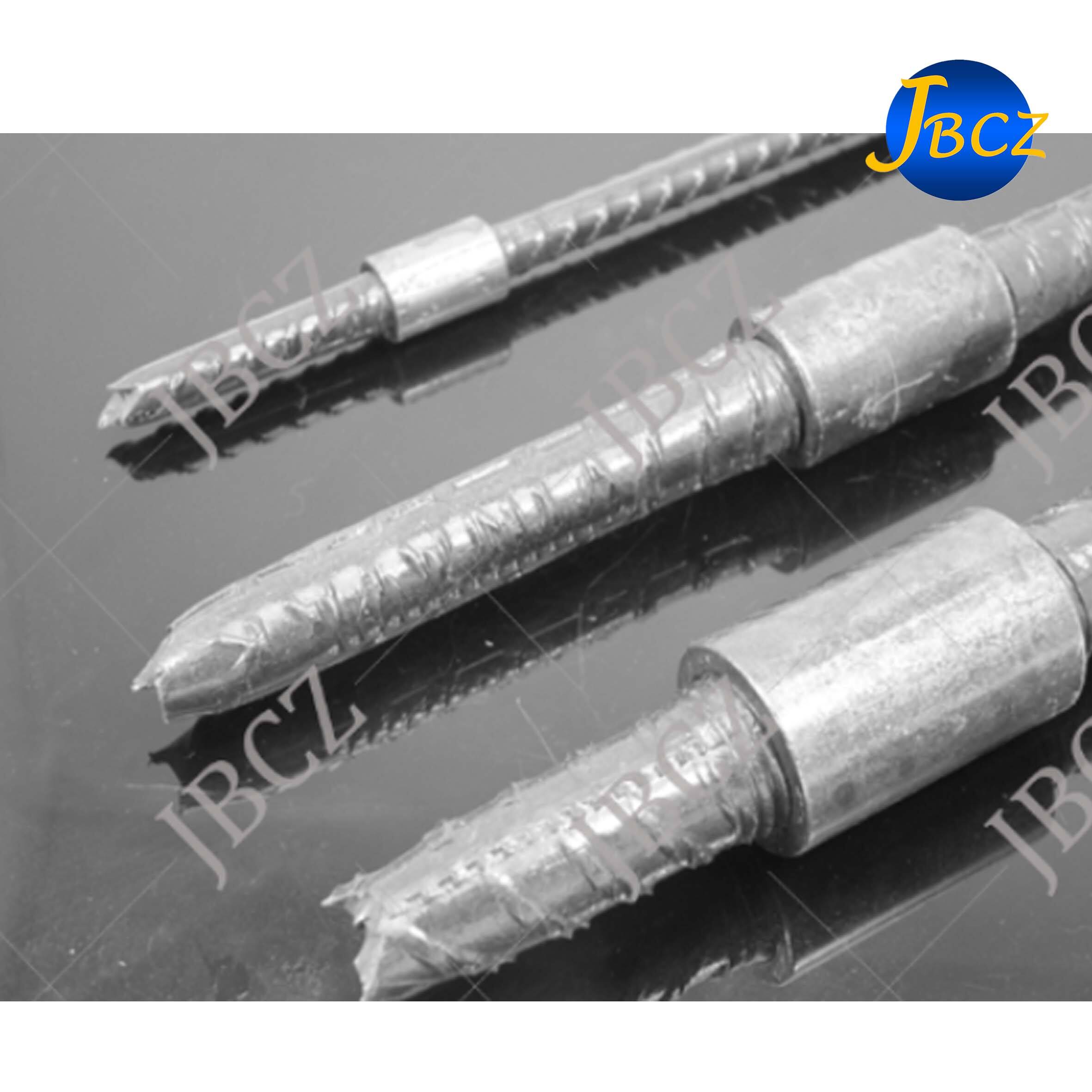
The rebar coupler for crosssea bridge projects delivers superior structural performance by establishing reliable load transfer mechanisms that maintain continuous force paths through reinforcement systems under all loading conditions. Engineering principles governing reinforced concrete design require that tensile forces carried by steel reinforcement be transferred efficiently between bar segments without stress concentrations, slippage, or progressive failure modes that could compromise structural integrity. Mechanical couplers achieve this objective through precision-engineered thread profiles, bearing surfaces, and material properties that distribute forces evenly across connection interfaces. Advanced finite element analysis and physical testing programs verify that properly designed couplers develop the full tensile capacity of connected bars, meaning the reinforcement will yield or fracture away from the connection zone rather than experiencing joint failure. This performance characteristic proves essential for crosssea bridge applications where structural elements experience complex loading combinations including dead loads from massive concrete sections, live loads from vehicular traffic, wind forces from coastal storm systems, wave impacts on submerged components, and seismic demands in geologically active regions. The rebar coupler for crosssea bridge projects undergoes rigorous qualification testing that simulates these demanding service conditions through monotonic tensile tests, cyclic fatigue protocols, elevated temperature exposure, and combined stress state evaluations. Results demonstrate that certified couplers maintain their mechanical properties through millions of load cycles representative of decades of traffic and environmental loading, providing confidence that connections will not degrade prematurely or exhibit progressive damage accumulation that could trigger structural distress. Beyond basic strength requirements, these coupling systems offer enhanced ductility characteristics that support seismic design philosophies relying on controlled inelastic response and energy dissipation during major earthquakes. The rebar coupler for crosssea bridge projects accommodates strain demands associated with reinforcement yielding while maintaining connection integrity, allowing structural elements to develop intended plastic hinge mechanisms without brittle connection failures. This performance attribute distinguishes mechanical couplers from welded splices or poorly executed lap splices that may exhibit premature failure modes under extreme loading. For structural engineers designing critical infrastructure, specification of qualified mechanical couplers provides confidence that design assumptions regarding reinforcement continuity and load distribution accurately reflect as-built conditions, supporting performance-based design approaches and reliability-centered asset management strategies throughout the bridge's operational life.