China Rebar Coupler - High-Strength Mechanical Rebar Splicing Solutions for Modern Construction

All Categories

Get a Free Quote

Our representative will contact you soon.
Email
Name
Company Name
Message
0/1000

china rebar coupler

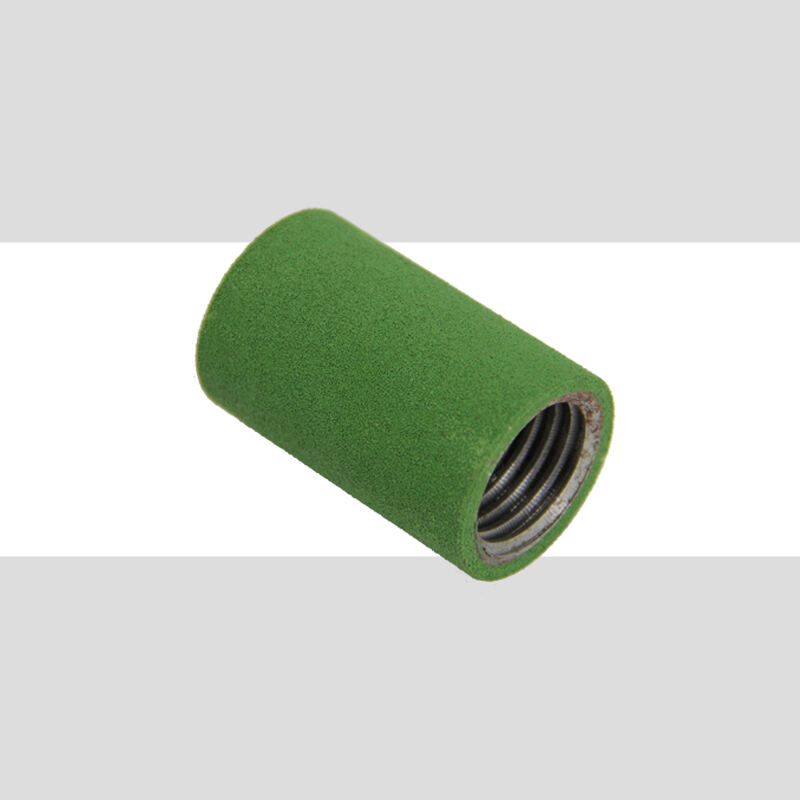
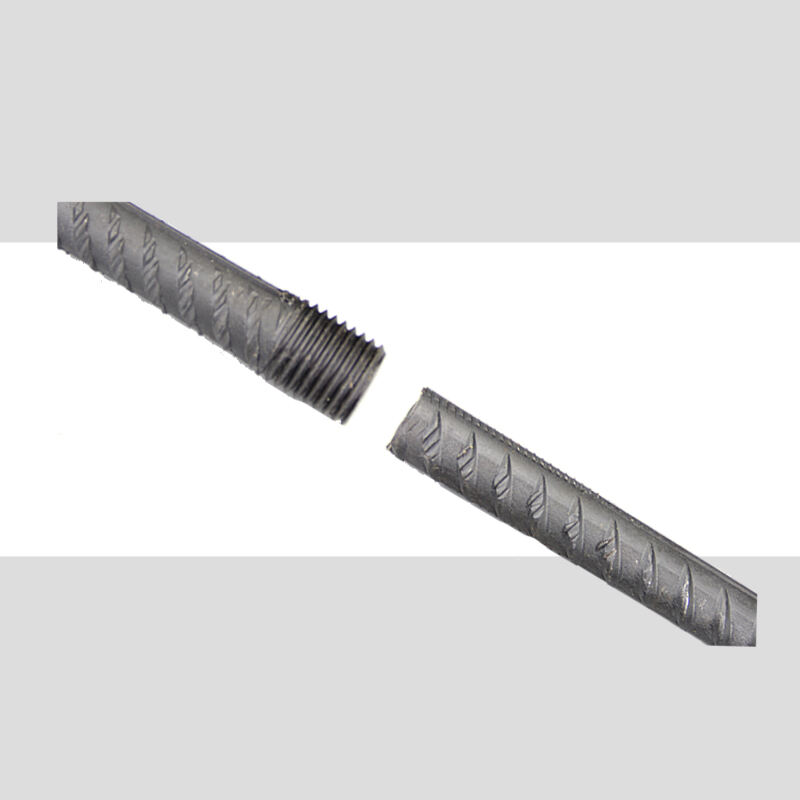
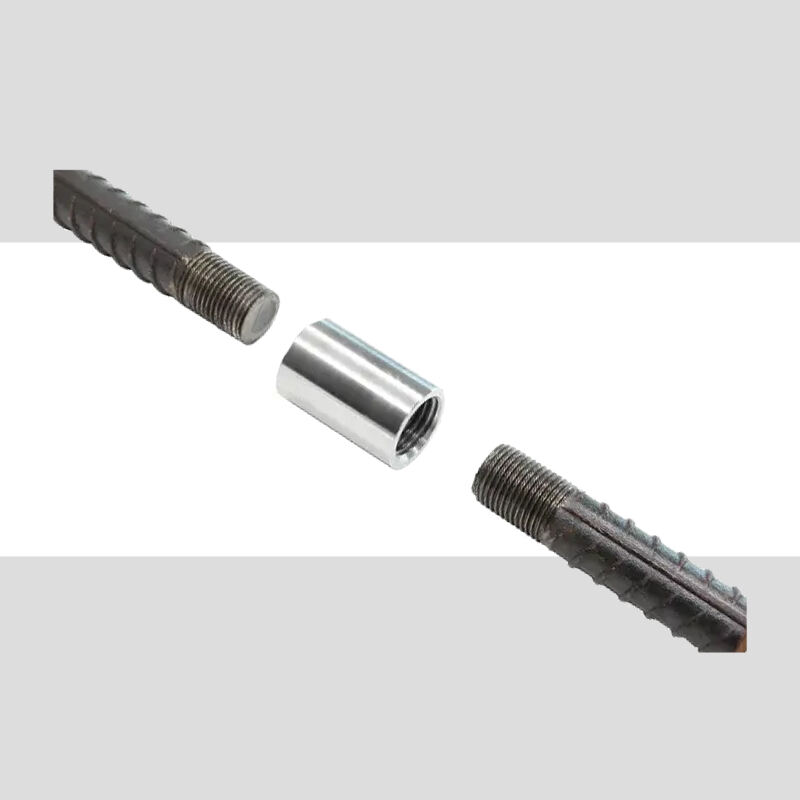
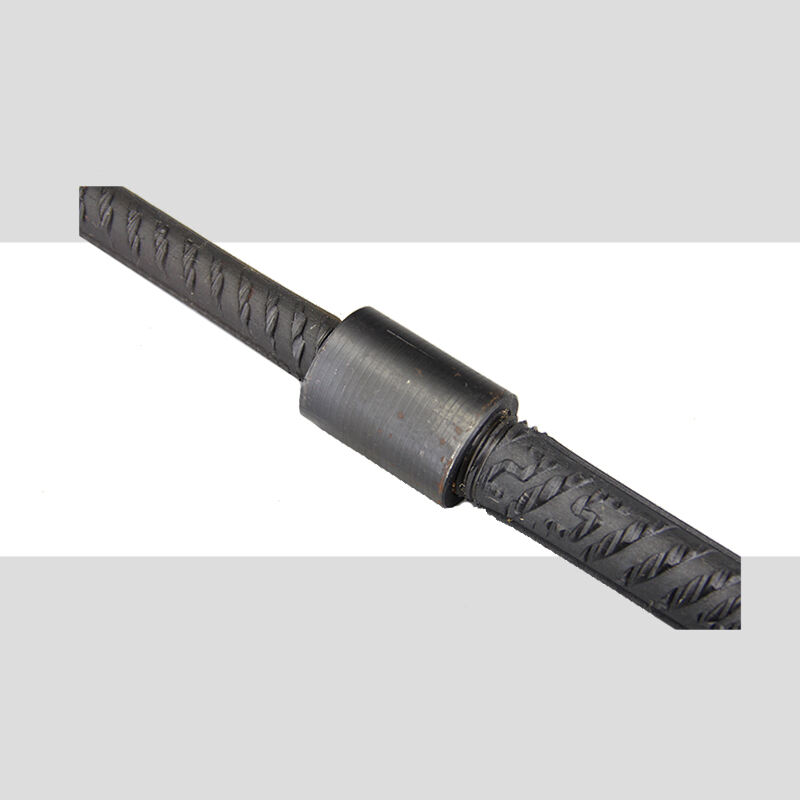
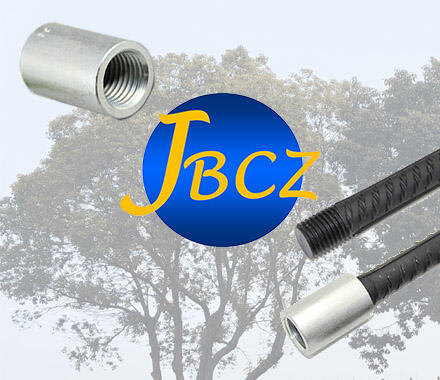
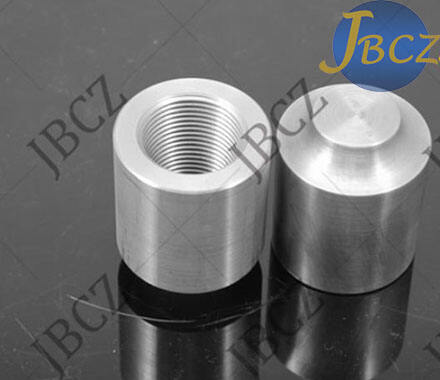
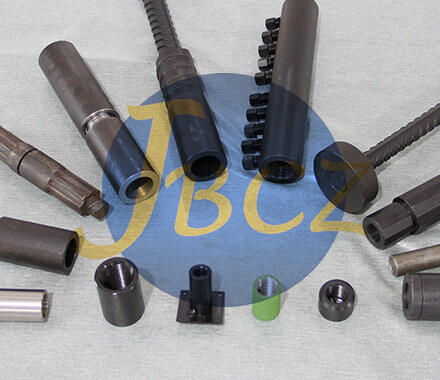
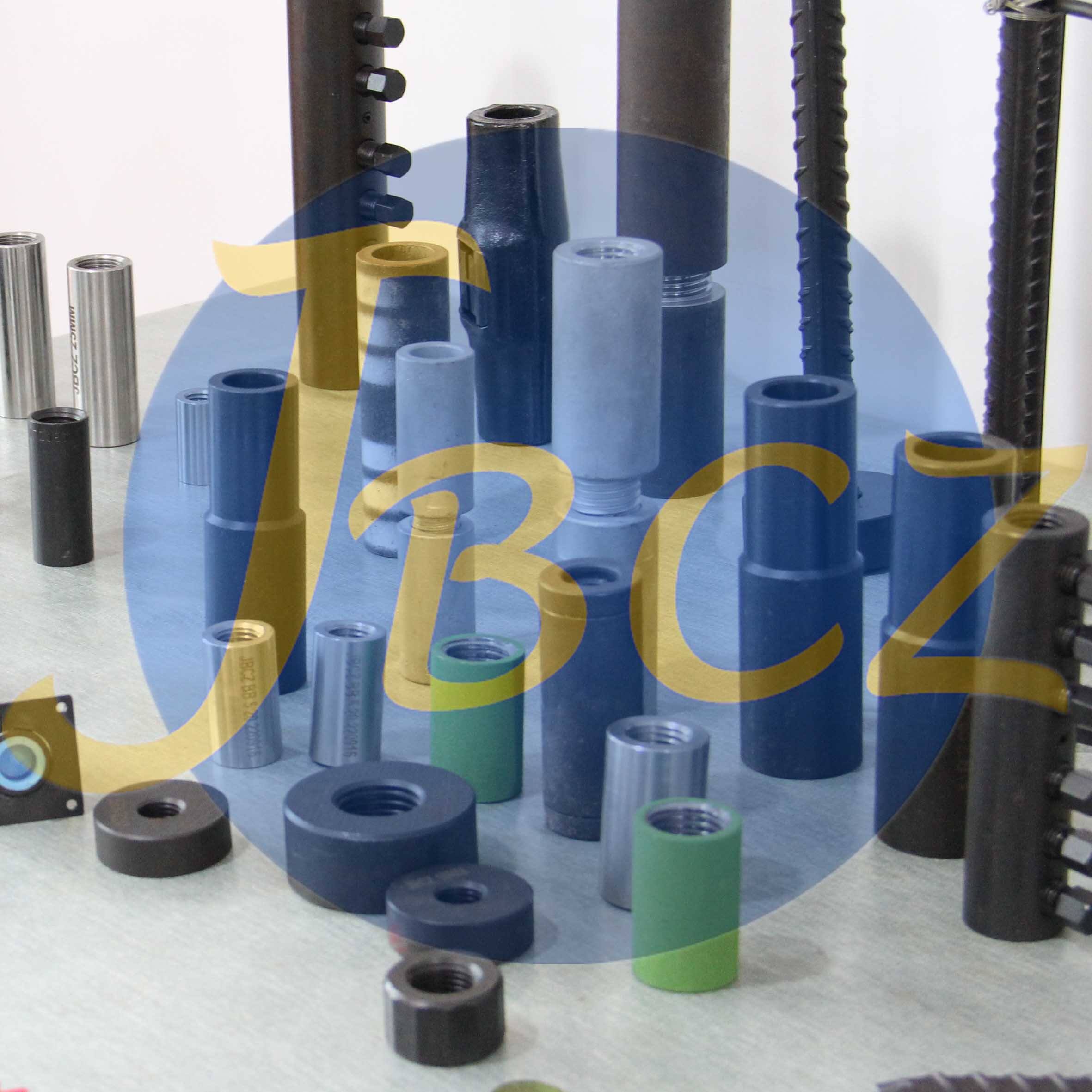
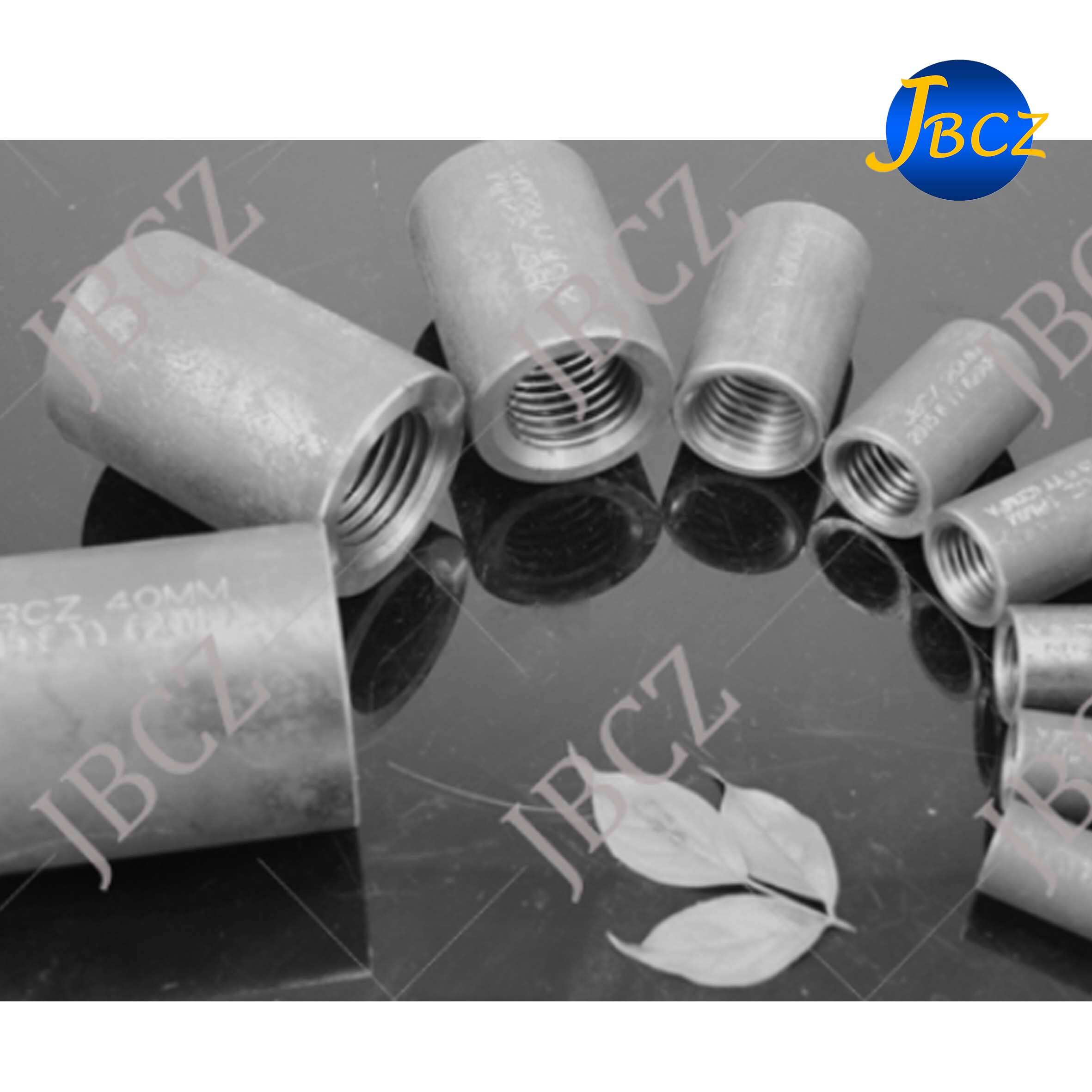
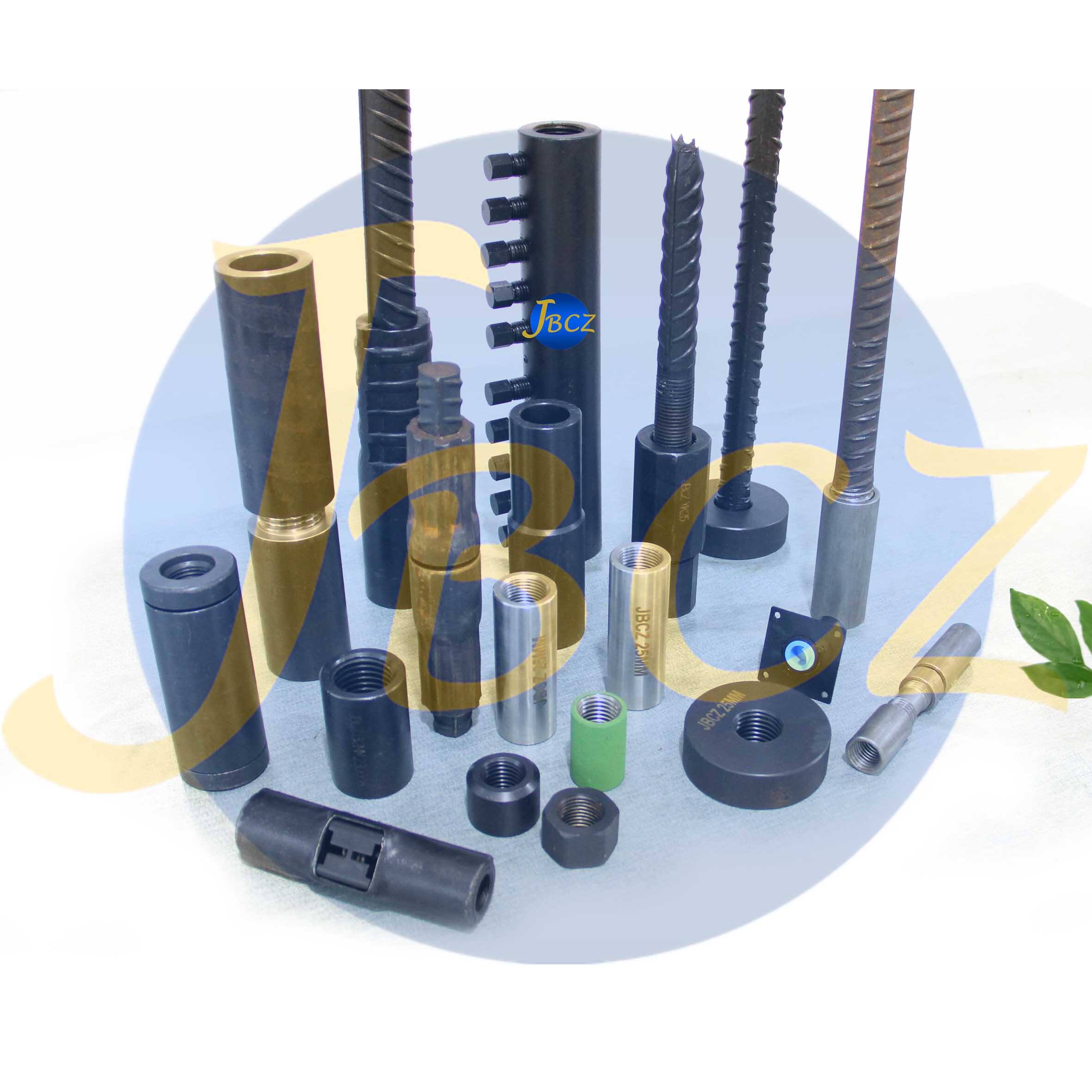
The china rebar coupler represents a revolutionary advancement in construction reinforcement technology, serving as a mechanical splicing solution that connects reinforcing bars together with exceptional strength and reliability. This engineered component has become an indispensable element in modern construction projects worldwide, offering a sophisticated alternative to traditional lap splicing methods. The primary function of the china rebar coupler is to create a seamless connection between two reinforcement bars, enabling continuous load transfer throughout the structure while maintaining the original tensile strength of the rebar. These precision-manufactured devices utilize advanced threading technology and high-grade steel materials to ensure optimal performance under extreme stress conditions. The china rebar coupler operates through a simple yet effective mechanism where rebars are inserted into both ends of the coupler sleeve and secured through either threading, swaging, or grouting processes depending on the specific type. Technological features include cold forging manufacturing processes that enhance material density and strength, precision machining that ensures perfect thread compatibility, and rigorous quality control standards that guarantee consistent performance. The couplers accommodate various rebar diameters ranging from 12mm to 40mm and beyond, making them versatile for different construction requirements. Applications span across diverse construction sectors including high-rise buildings, bridges, highways, tunnels, railways, water conservancy projects, and seismic-resistant structures. The china rebar coupler has gained particular prominence in projects requiring rapid construction timelines, congested reinforcement areas, and locations where traditional lap splicing proves impractical or impossible. Material composition typically involves high-strength alloy steel with yield strengths exceeding 600 MPa, ensuring the coupler can withstand forces equal to or greater than the connected rebars themselves. Surface treatments such as galvanization or epoxy coating provide additional corrosion resistance, extending the service life in harsh environmental conditions and ensuring long-term structural integrity throughout the building lifecycle.

New Product Releases

Choosing the china rebar coupler for your construction project delivers substantial practical benefits that directly impact both project efficiency and structural quality. First and foremost, these couplers significantly reduce construction time by eliminating the need for lengthy overlap zones that traditional lap splicing requires. Workers can connect rebars quickly and efficiently, often completing connections in minutes rather than hours, which accelerates overall project schedules and enables faster completion dates. This time-saving advantage translates directly into reduced labor costs, as fewer man-hours are needed to achieve the same reinforcement continuity. The china rebar coupler also delivers remarkable space efficiency within structural elements. Traditional lap splicing typically requires overlap lengths of 40 to 60 times the rebar diameter, consuming valuable space within beams, columns, and walls. In contrast, couplers occupy minimal space, measuring only a few inches in length while providing full strength connection. This space optimization becomes particularly valuable in heavily reinforced sections where congestion can complicate concrete placement and compromise structural integrity. Material savings represent another compelling advantage, as the elimination of overlap zones reduces total rebar consumption by 30 to 40 percent in many applications. This reduction in steel usage not only lowers material procurement costs but also decreases transportation expenses and environmental impact associated with steel production. The china rebar coupler ensures consistent connection quality that surpasses manual lap splicing variability. Each coupler undergoes factory testing and quality verification, guaranteeing reliable performance that meets or exceeds international standards including ACI318, BS8110, and DIN1045. This consistency eliminates concerns about inadequate lap lengths or improper tie wire application that can compromise traditional splicing effectiveness. Installation simplicity makes these couplers accessible to workers with basic training, reducing the skill level requirements and associated labor premiums. The straightforward connection process minimizes installation errors and rework, improving overall construction quality. Structural performance benefits include superior load transfer characteristics, with couplers capable of developing the full tensile strength of connected rebars without slippage or failure. This performance reliability proves essential in seismic zones where structures must withstand dynamic loading and repeated stress cycles. The china rebar coupler also facilitates easier inspection and quality verification, as connections remain visible and accessible for examination, unlike lap splices buried within concrete. Economic advantages extend throughout the project lifecycle, from reduced concrete volume requirements due to eliminated overlap zones to decreased construction insurance costs resulting from improved structural reliability.

Latest News

How Rebar Couplers Strengthen Concrete Structures: Innovation and Benefits

10

Jul

How Rebar Couplers Strengthen Concrete Structures: Innovation and Benefits

View More
The indispensable role of rebar couplers in offshore wind farms and marine structures

10

Jul

The indispensable role of rebar couplers in offshore wind farms and marine structures

View More
Features of rebar splices and precautions for their use

10

Jul

Features of rebar splices and precautions for their use

View More
JBCZ has received the certification of UK CARES

10

Jul

JBCZ has received the certification of UK CARES

View More

Get a Free Quote

Our representative will contact you soon.
Email
Name
Company Name
Message
0/1000

china rebar coupler

Unmatched Structural Strength and Load Transfer Capability

Unmatched Structural Strength and Load Transfer Capability

The china rebar coupler stands apart in the construction industry through its exceptional structural strength characteristics that guarantee reliable load transfer between connected reinforcement bars. Engineering principles behind these couplers ensure that the connection point matches or exceeds the tensile strength of the parent rebar material itself, a critical requirement for maintaining structural integrity throughout the building. Manufacturing processes employ cold forging techniques that compress and densify the steel material, creating a coupler body with enhanced grain structure and superior mechanical properties. This manufacturing approach produces components with yield strengths typically ranging from 600 to 650 MPa and ultimate tensile strengths exceeding 800 MPa, providing substantial safety margins above the requirements for Grade 60 and Grade 75 reinforcing steel commonly used in construction. The thread design within the china rebar coupler represents years of engineering refinement, featuring precise pitch angles and thread depths that distribute stress evenly across the engagement length. This optimized geometry prevents stress concentration points that could lead to premature failure under extreme loading conditions. Testing protocols verify performance through destructive tensile tests where coupled rebar assemblies consistently demonstrate failure occurring in the base rebar rather than at the connection point, confirming that the coupler creates a stronger bond than the steel itself. Quality assurance procedures include batch testing where representative samples from each production lot undergo rigorous examination to verify dimensional accuracy, thread integrity, and mechanical properties. The china rebar coupler accommodates both static and dynamic loading scenarios, making it suitable for structures subject to wind loads, seismic activity, thermal expansion, and vibration. Fatigue resistance testing demonstrates that couplers maintain their integrity through millions of load cycles, essential for bridges, elevated highways, and structures experiencing repeated stress patterns. Connection reliability remains consistent across different installation conditions, whether in vertical, horizontal, or angular orientations, providing designers with complete flexibility in reinforcement layout. The full strength connection capability eliminates the performance degradation often associated with lap splicing, where bond stress distribution can create weak points within the overlap zone. This performance consistency translates to enhanced structural safety factors and greater confidence in meeting design specifications under all loading conditions anticipated throughout the structure's service life.
Exceptional Installation Efficiency and Construction Productivity

Exceptional Installation Efficiency and Construction Productivity

The china rebar coupler revolutionizes construction workflow efficiency by dramatically simplifying the reinforcement connection process and eliminating numerous time-consuming steps associated with traditional methods. Installation procedures require minimal specialized equipment, typically involving only standard rebar threading machines for threaded couplers or hydraulic presses for swaged varieties, tools already familiar to construction crews worldwide. The connection sequence follows an intuitive process where workers prepare rebar ends through threading or end preparation, align the bars within the coupler sleeve, and secure the connection through rotation or compression, completing the entire operation in two to five minutes per connection depending on rebar diameter and coupler type. This rapid installation pace enables construction teams to complete reinforcement assemblies far faster than lap splicing alternatives that demand careful positioning, multiple tie wire applications, and constant verification of overlap dimensions. Time studies conducted across multiple project types demonstrate that the china rebar coupler reduces reinforcement installation duration by 40 to 60 percent compared to conventional approaches, directly accelerating project schedules and enabling earlier concrete placement. Worker training requirements remain minimal, with most crew members achieving proficiency within hours rather than the days or weeks needed to master complex tying techniques for congested reinforcement layouts. The simplified process reduces physical strain on workers, as couplers eliminate the need for manipulating long overlapping bars in confined spaces or maintaining awkward positions while securing numerous tie wire connections. Safety improvements accompany the efficiency gains, with fewer protruding bar ends reducing trip hazards and injury risks on construction sites. Quality control becomes more straightforward as supervisors can visually verify proper coupler installation and thread engagement without relying on measurements of overlap lengths or tie wire spacing that require detailed inspection. The china rebar coupler proves particularly valuable in prefabrication scenarios where rebar cages can be assembled off-site with coupler ends prepared, then transported to the construction location for rapid connection to in-place reinforcement. This prefabrication capability supports modular construction approaches and just-in-time delivery strategies that minimize on-site storage requirements and weather-related delays. Productivity benefits extend to concrete placement operations, as the reduced reinforcement congestion resulting from eliminated overlap zones allows concrete to flow more freely around bars, improving consolidation and reducing the likelihood of voids or honeycombing that compromise structural quality. Equipment utilization improves as threading machines serve multiple purposes throughout the project, and the standardized connection process enables better crew scheduling and resource allocation across different construction phases.
Superior Versatility and Adaptability Across Construction Applications

Superior Versatility and Adaptability Across Construction Applications

The china rebar coupler demonstrates remarkable versatility that addresses diverse construction challenges across multiple building types, structural configurations, and site conditions. Design flexibility enables these couplers to accommodate virtually any reinforcement layout requirement, from simple column splices in residential buildings to complex connection geometries in curved architectural features and irregular structural elements. Diameter compatibility spans the complete range of commonly used reinforcing bars, with coupler models available for sizes from 12mm through 40mm and specialized versions extending to 50mm for heavy civil infrastructure projects. This comprehensive size range ensures that projects can maintain consistent connection methodology throughout all structural elements rather than switching between different splicing techniques based on bar dimensions. The china rebar coupler adapts seamlessly to various construction methodologies including cast-in-place concrete, precast concrete assemblies, and hybrid systems combining both approaches. In precast applications, couplers facilitate rapid connections between precast elements and cast-in-place joints, enabling efficient construction sequences that leverage factory-controlled quality with on-site assembly speed. Position independence represents another crucial versatility aspect, as couplers function equally well in vertical columns, horizontal beams, inclined ramps, and any angular orientation required by architectural or structural design. This positional flexibility eliminates the constraints sometimes imposed by lap splicing that can require specific bar arrangements to ensure adequate concrete cover and proper load transfer. Environmental adaptability extends coupler utility to challenging conditions including marine environments where corrosion resistance becomes paramount, achieved through galvanized or stainless steel variants that withstand saltwater exposure and atmospheric corrosion. Temperature extremes pose no limitations, with the china rebar coupler maintaining performance integrity in arctic conditions below negative 40 degrees Celsius and tropical climates exceeding 50 degrees Celsius. Project scale versatility ranges from small residential renovations requiring just dozens of connections to massive infrastructure undertakings consuming thousands of couplers across multiple construction phases. The coupler technology adapts to specialty applications including seismic retrofit projects where existing structures receive reinforcement upgrades, achieved by drilling into existing concrete, installing new rebars, and connecting them to original reinforcement through coupler technology. Renovation and expansion projects benefit particularly from coupler versatility, as new structural elements can be mechanically connected to existing reinforcement without the demolition and disruption required to create lap splice zones. The china rebar coupler accommodates different steel grades and types, connecting bars with varying yield strengths or joining epoxy-coated rebars to standard bars while maintaining corrosion protection continuity. This material compatibility supports complex projects where different structural zones require different reinforcement specifications, enabling seamless transitions between areas with distinct performance requirements.