Taper Threading Machine: Precision Threading Solutions for Industrial Applications

All Categories

Get a Free Quote

Our representative will contact you soon.
Email
Name
Company Name
Message
0/1000

taper threading machine

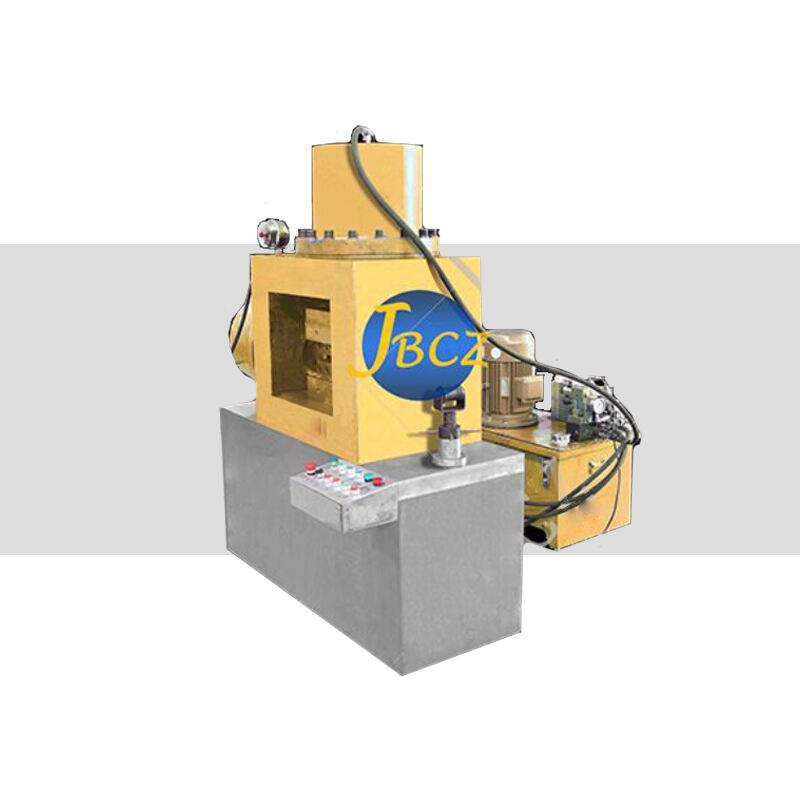
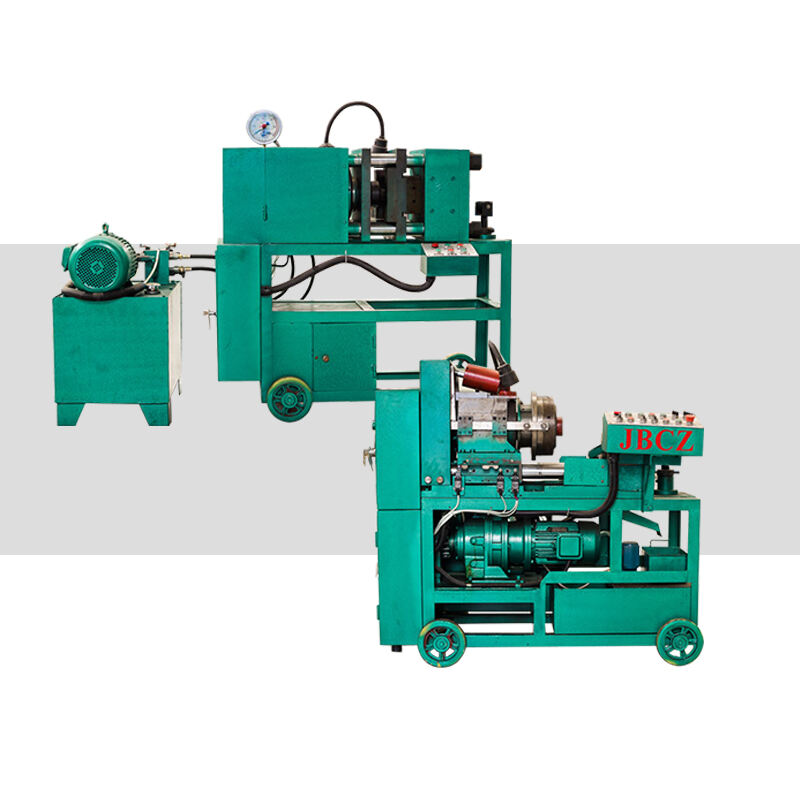
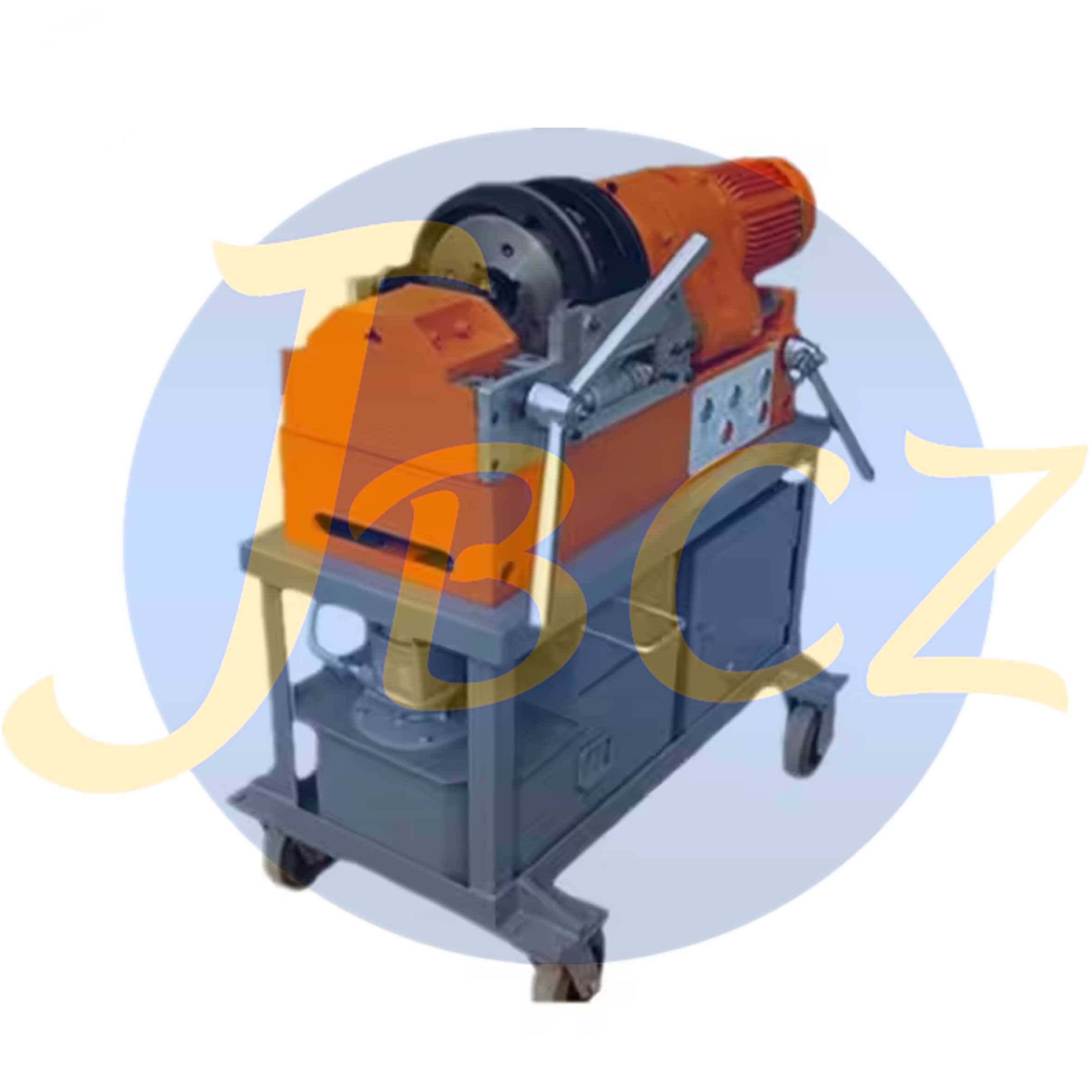
A taper threading machine represents a specialized piece of industrial equipment designed to create precise threaded connections on pipes, tubes, and cylindrical components with tapered profiles. This sophisticated machinery plays a crucial role in manufacturing operations where secure, leak-proof connections are essential. The primary function of a taper threading machine involves cutting external or internal threads that gradually decrease in diameter, creating a conical threading pattern that ensures tight sealing when components are assembled. These machines utilize advanced cutting tools and precisely controlled movements to produce threads that meet stringent industry standards such as NPT, BSPT, and other internationally recognized specifications. Modern taper threading machines incorporate computerized numerical control systems that enable operators to program complex threading patterns with exceptional accuracy. The technological features include adjustable spindle speeds, automatic feed mechanisms, coolant delivery systems, and digital readout displays that provide real-time monitoring of the threading process. These machines can handle various materials including carbon steel, stainless steel, brass, copper, and specialized alloys used in demanding applications. The versatility of taper threading machines extends across multiple industries including oil and gas pipeline construction, plumbing fixture manufacturing, automotive component production, hydraulic system fabrication, and industrial valve manufacturing. In petroleum extraction operations, these machines create threaded connections for drill pipes and casing tubes that must withstand extreme pressures and harsh environmental conditions. The construction industry relies on taper threading machines to prepare pipes for water distribution systems, gas lines, and HVAC installations. Manufacturing facilities use these machines to produce threaded components for pressure vessels, heat exchangers, and processing equipment. The precision achieved by modern taper threading machines ensures that threaded connections maintain structural integrity and provide reliable sealing performance throughout their operational lifespan. These machines significantly reduce production time compared to manual threading methods while delivering superior consistency and quality in every threaded component produced.

New Product Releases

Investing in a taper threading machine delivers substantial benefits that directly impact your bottom line and operational efficiency. First and foremost, these machines dramatically increase production speed compared to traditional manual threading methods. What might take several minutes per piece using hand-operated equipment can be completed in seconds with automated machinery, allowing your facility to fulfill larger orders and meet tight deadlines without compromising quality. The precision these machines provide eliminates the variations and inconsistencies that often occur with manual processes. Every thread produced matches exact specifications, reducing rejection rates and minimizing material waste. This consistency means fewer defective parts, less rework, and significant savings on raw materials over time. Your workers will appreciate the reduced physical strain as the machine handles the demanding cutting operations. This ergonomic advantage leads to fewer workplace injuries, lower workers compensation costs, and improved employee satisfaction and retention. The automation features built into modern taper threading machines mean your operators can oversee multiple units or attend to other tasks while the machine completes its cycle, maximizing labor efficiency across your facility. These machines offer remarkable versatility, quickly adapting to different pipe sizes, thread specifications, and material types through simple adjustments or program changes. This flexibility eliminates the need for multiple specialized tools and reduces setup time when switching between production runs. The superior thread quality produced by these machines creates stronger, more reliable connections that resist leaking and loosening. This reliability enhances your reputation and reduces warranty claims and customer complaints. The long-term durability of taper threading machines means they continue delivering value year after year with minimal maintenance requirements. Their robust construction withstands demanding industrial environments and heavy daily use without performance degradation. Energy efficiency features incorporated into modern designs help reduce operating costs while supporting your sustainability initiatives. The digital controls and monitoring systems provide valuable production data, helping you track output, identify optimization opportunities, and maintain detailed quality records. Training new operators becomes simpler thanks to intuitive interfaces and standardized procedures, reducing the learning curve and getting new team members productive quickly. The compact footprint of many models allows installation in facilities with limited floor space, maximizing your production area utilization. Overall, a taper threading machine represents a smart investment that pays dividends through increased productivity, improved quality, reduced costs, and enhanced competitive positioning in your market.

Practical Tips

What is a Reducing Coupler and How is it Used in Plumbing Systems?

10

Jul

What is a Reducing Coupler and How is it Used in Plumbing Systems?

View More
Features of rebar splices and precautions for their use

10

Jul

Features of rebar splices and precautions for their use

View More
Six ways to regulate rebar splices

10

Jul

Six ways to regulate rebar splices

View More
Take a look at the rebar coupler

10

Jul

Take a look at the rebar coupler

View More

Get a Free Quote

Our representative will contact you soon.
Email
Name
Company Name
Message
0/1000

taper threading machine

Precision Engineering for Perfect Thread Quality Every Time

Precision Engineering for Perfect Thread Quality Every Time

The exceptional precision delivered by a taper threading machine sets it apart as an indispensable tool in modern manufacturing environments. This precision stems from multiple integrated technologies working in harmony to produce threads that meet or exceed the most demanding specifications. The machine employs rigid construction with minimal vibration, ensuring that cutting tools maintain exact positioning throughout the entire threading operation. High-quality linear guides and precision ball screws translate programmed commands into microscopic movements, controlling depth, pitch, and taper angle with tolerances measured in thousandths of an inch. The sophisticated control systems continuously monitor cutting forces and automatically compensate for tool wear, maintaining consistent thread dimensions across thousands of production cycles. This level of accuracy proves critical in applications where threaded connections must create perfect seals under high pressure or extreme temperatures. In oil drilling operations, for example, imperfectly threaded drill pipe connections could lead to catastrophic failures costing millions in lost productivity and safety hazards. The precision of a taper threading machine eliminates such risks by ensuring every thread profile matches design specifications exactly. The threading dies and cutting tools used in these machines feature advanced geometries and coatings that produce clean, burr-free threads with smooth surface finishes. This surface quality enhances sealing performance and reduces the torque required during assembly, protecting both male and female threaded components from galling and damage. Quality control becomes simpler when working with precision equipment because variation between parts remains minimal. Inspection procedures can rely on statistical sampling rather than 100 percent checking, saving time and reducing quality assurance costs. The dimensional consistency also facilitates automated assembly processes where threaded components must fit together without manual adjustment or selection. Maintenance personnel appreciate the reliability of connections made with precision-threaded components, as these joints resist loosening from vibration and thermal cycling. The taper threading machine achieves this precision through carefully calibrated systems that account for material properties, cutting speeds, and thermal expansion during the threading process. Operators can confidently produce threads in various materials knowing the machine will automatically adjust parameters to maintain quality regardless of whether they are working with soft brass or hardened stainless steel alloys.
Remarkable Versatility Across Materials and Thread Specifications

Remarkable Versatility Across Materials and Thread Specifications

The adaptability of a taper threading machine makes it an invaluable asset for manufacturers who work with diverse product lines or frequently changing customer requirements. Unlike specialized equipment limited to narrow applications, these machines accommodate an impressive range of pipe sizes, thread types, and material compositions through accessible adjustments and programmable settings. A single taper threading machine can efficiently produce threads ranging from small diameter tubes used in instrumentation to large diameter pipes for industrial processing systems. This capability eliminates the need for maintaining multiple dedicated machines, reducing capital equipment costs and simplifying facility planning. The programmable nature of modern taper threading machines allows operators to store dozens or even hundreds of threading programs in memory, then recall specific settings instantly when beginning a new production run. This feature proves particularly valuable for job shops and contract manufacturers who produce small batches of many different components rather than long runs of identical parts. Changing from one thread specification to another becomes a matter of selecting the appropriate program rather than manually measuring and adjusting multiple mechanical settings. The machine handles the complex calculations required to produce tapered threads automatically, determining the precise feed rates, spindle speeds, and tool positioning needed for each specific thread type. This automation reduces setup time dramatically and eliminates the possibility of calculation errors that could ruin expensive workpieces. Material versatility extends beyond common metals to include exotic alloys, plastics, and composite materials used in specialized applications. The taper threading machine adjusts cutting parameters to suit each material's unique characteristics, preventing work hardening, excessive heat generation, or tool damage that might occur with inappropriate settings. This intelligent adaptation means manufacturers can expand into new markets and applications without purchasing additional equipment. The machine's flexibility also supports prototype development and custom engineering projects where unique thread specifications must be created to meet special design requirements. Engineers can experiment with different thread profiles and dimensions, quickly producing sample parts for testing and evaluation. This rapid prototyping capability accelerates product development cycles and helps companies bring innovations to market faster than competitors relying on outsourced threading services or less flexible equipment. The versatility of a taper threading machine ultimately translates into business agility, allowing manufacturers to respond quickly to changing market demands and pursue diverse opportunities without being constrained by equipment limitations.
Operational Efficiency That Transforms Manufacturing Economics

Operational Efficiency That Transforms Manufacturing Economics

The operational efficiency delivered by a taper threading machine fundamentally changes the economics of threaded component production, creating competitive advantages that extend throughout your entire organization. This efficiency begins with remarkable cycle time reductions compared to alternative threading methods. Automated operation means the machine completes threading operations in a fraction of the time required for manual processes, directly increasing throughput without adding labor costs or expanding facility space. The consistency of automated operation eliminates the productivity variations inherent in manual work, where operator fatigue, skill differences, and environmental factors cause output to fluctuate throughout shifts and between workers. Your production planning becomes more reliable when every piece requires the same predictable processing time, simplifying scheduling and improving on-time delivery performance. The taper threading machine operates with minimal supervision once the program starts, freeing skilled workers to focus on value-added activities like quality verification, preventive maintenance, or operating additional equipment. This labor efficiency multiplies the productivity gains already achieved through faster cycle times. Energy consumption per part decreases significantly because the machine optimizes cutting parameters for efficiency, avoiding the excessive speeds or inappropriate feeds that waste power and accelerate tool wear. Modern machines incorporate intelligent power management that reduces energy use during idle periods without extending startup times when production resumes. The superior tool life achieved through optimized cutting conditions reduces tooling costs substantially over time. Precise control prevents the shock loading and excessive temperatures that quickly dull cutting edges, allowing each tool to produce more parts before replacement becomes necessary. The machine's automatic tool compensation features squeeze additional life from partially worn tools by adjusting depth settings to maintain thread dimensions even as cutting edges gradually wear. Material utilization improves because the precision of the taper threading machine minimizes the need for oversized blanks with excessive machining allowances. Parts can be produced closer to final dimensions, reducing scrap and lowering raw material costs per finished component. The rapid changeover capability supported by programmable operation reduces downtime between different production runs, keeping the machine productive for a higher percentage of available hours. Maintenance requirements remain manageable despite intensive use because quality construction and proper operating parameters prevent excessive wear and unexpected failures. Scheduled maintenance can be performed quickly during planned downtime without disrupting production schedules or requiring specialized technical expertise.